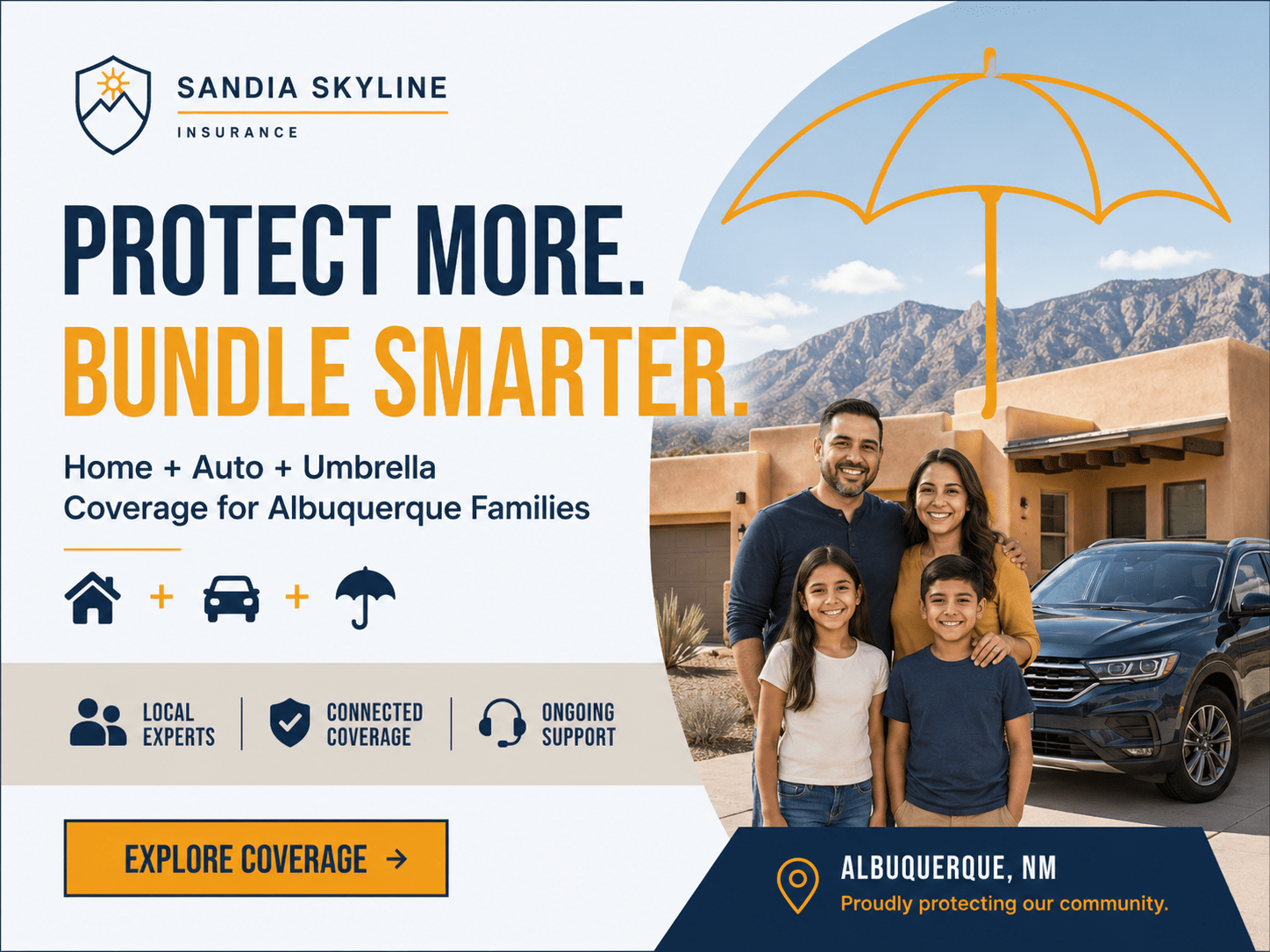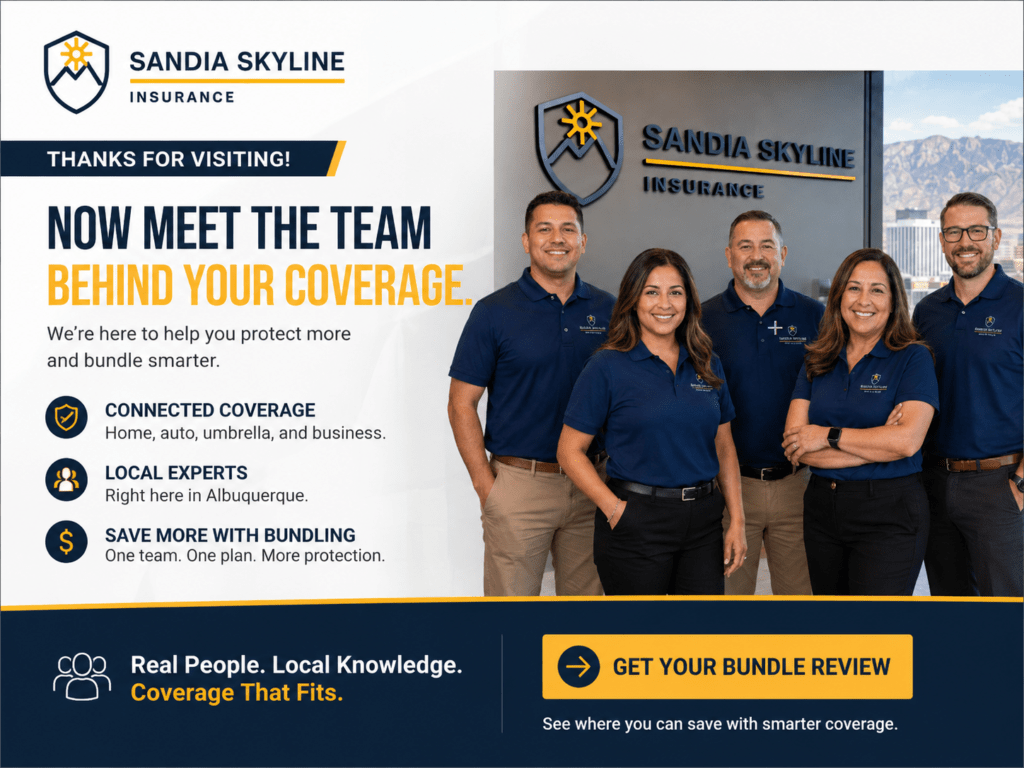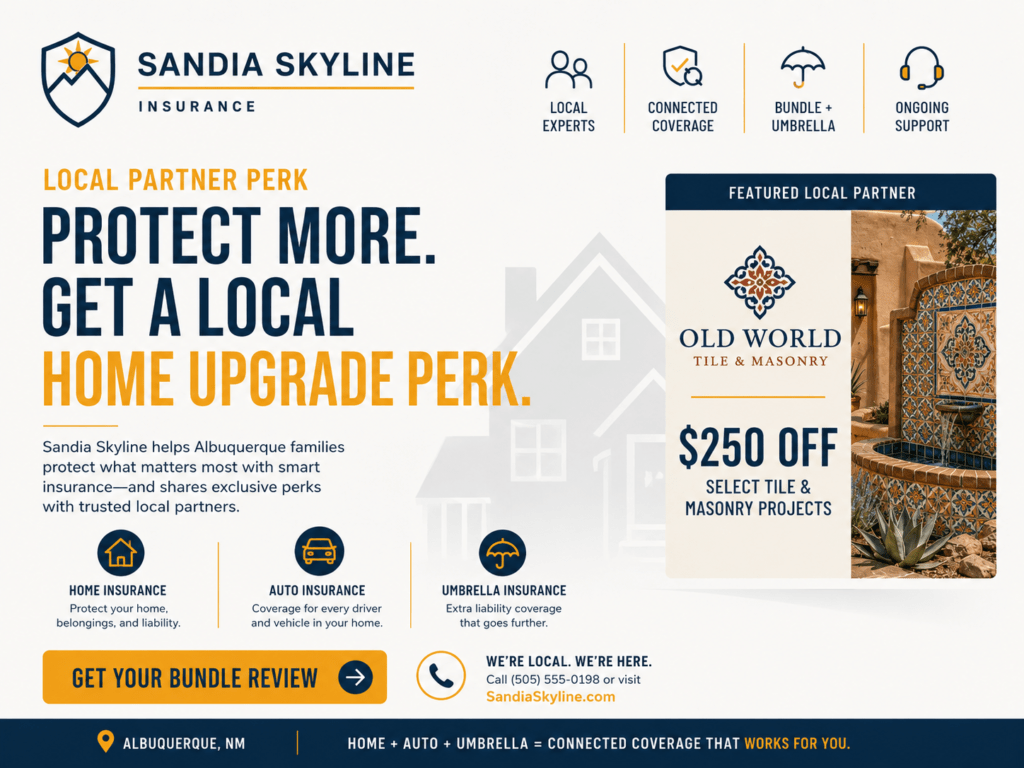

A brief exploration of advanced web and digital media strategy for conversion in Risk Management / Finance.
In the next few minutes, we will look at how modern insurance, risk, and finance buyers move from first impression to qualified action — and where most websites quietly lose them. This is not just a design preview. It is a walkthrough of how a site can guide visitor intent, build trust, remove friction, and turn more of the right clicks into better conversations.
See how prospects move from first impression to qualified action—and where weak messaging, poor structure, or friction causes them to leave.
Learn how design, clarity, proof, and page flow work together to answer concerns, reduce hesitation, and keep the right visitor moving forward.
Discover how effective co-marketing strategies keep partners happy, and drive referrals.
Follow the path from traffic source to landing page, lead capture, and follow-up so more high-intent clicks become real sales opportunities.
Whether you need a simple website to establish your online presence or a complex e-commerce platform, we've got you covered.

Generic forms and automation often miss what the visitor is actually trying to solve, leaving qualified prospects without useful guidance.

Long quote forms ask too much too early, create friction, and give producers weak context for the first conversation.

Interested visitors disappear when the site fails to route, reassure, schedule, or make the next step obvious.


Delivering unique and professional graphic designs that elevate your brand’s visual identity and attract your target audience.

Cognadic works closely with the people responsible for growth. We learn how leads are handled, where sales stall, what customers actually ask, and which constraints the reporting misses. Data tells us where to look. Conversations, call feedback, and hands-on testing often tell us why.

Layouts adapt cleanly across desktop, tablet, and mobile without losing clarity or flow.

Every breakpoint is checked to keep spacing, forms, and key actions working as intended.
Your website is often the first place a prospect decides whether your business feels credible, current, and worth engaging. It is your storefront, your sales environment, and a visible reflection of how seriously you take the business itself. An outdated, confusing, or forgettable site does more than look bad—it can quietly weaken trust, reduce response, and send opportunities toward competitors who simply present themselves better. A strong site gives people confidence before you ever speak to them.

Prospects judge the business before they call. A polished, current site signals credibility, professionalism, and attention to detail from the first visit.

Your site should communicate who you are, what you do, and why someone should choose you—clearly, consistently, and without making visitors work for the answer.
Long before a prospect speaks with you, the site is already making the case. Strong messaging, proof, structure, and presentation can build confidence—or quietly lose it.
Whether you need a simple website to establish your online presence or a complex e-commerce platform, we've got you covered.
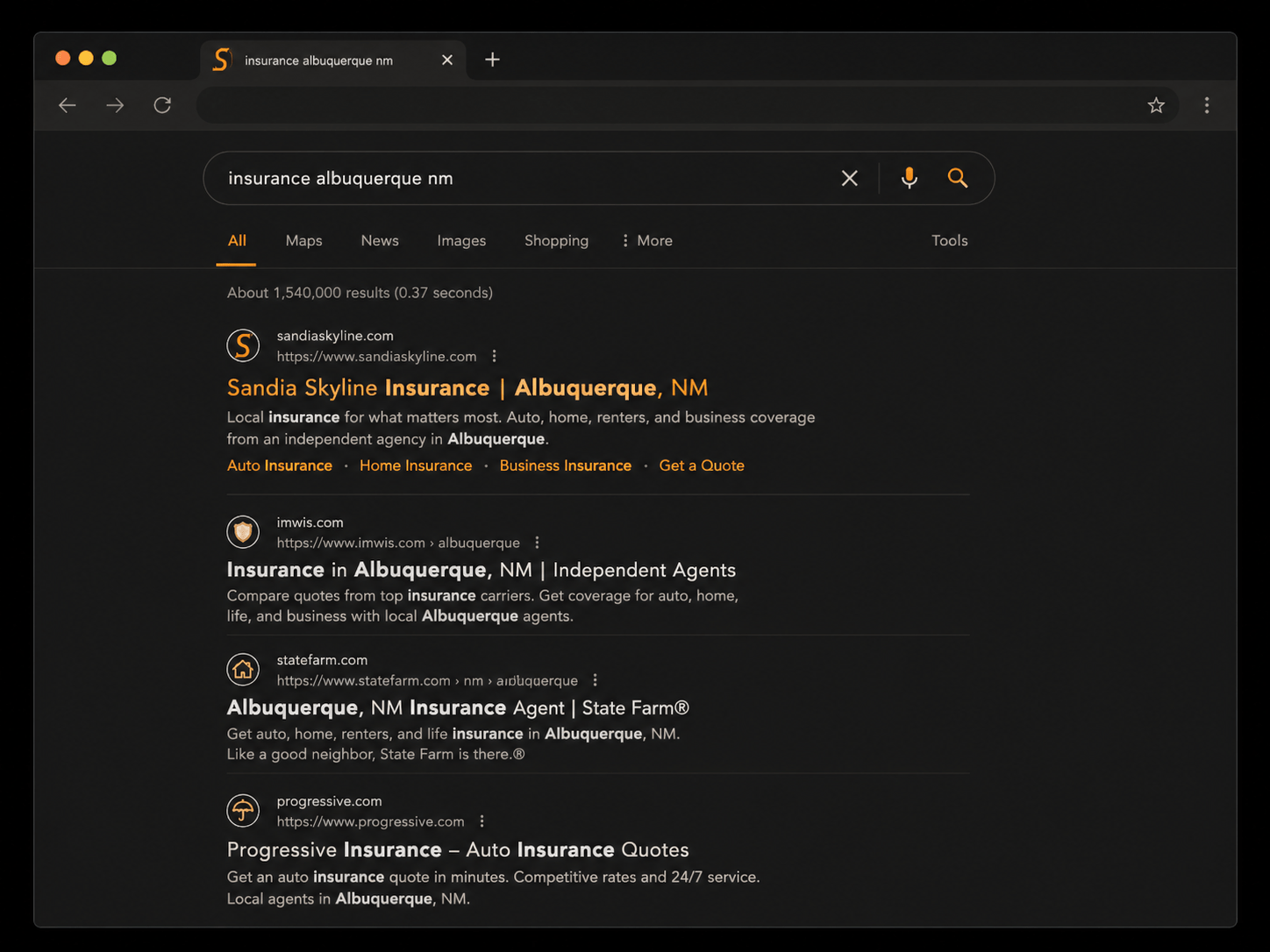
SEO is not only about where a page ranks. Before anyone reaches the site, the search result itself has to look relevant, credible, and worth clicking. The title should answer the query quickly, the description should clarify what the visitor will find, and the destination page has to fulfill that promise. Visibility matters, but a vague or mismatched listing can still waste the opportunity.
Put the service, problem, or location the searcher asked for near the front. Clever copy is less useful than immediate relevance.
Use the snippet to clarify the offer and set an accurate expectation. Clear value beats keyword stuffing, hype, or promises the page cannot support.
Installing an SEO plugin does not magically create rankings. Real search visibility begins with a site that clearly communicates what you offer, who you serve, where you operate, and which page should answer each search. Cognadic builds that foundation into the system—then uses professional SEO tools to check page structure, titles, descriptions, keyword alignment, indexing, and other essential on-page signals.

We build clear page architecture, navigation, internal linking, and crawlable content so search engines can properly understand the site.

We optimize titles, descriptions, headings, page copy, image data, and keyword alignment around the searches most relevant to your business.

We handle the essential technical setup — indexing basics, clean URLs, mobile usability, page performance, and core search settings — so the site launches on solid footing.

Search terms are signals of intent. Broad research queries can be useful, but specific service, location, and action language usually tells you a buyer is closer to making a decision. The goal is not to chase every click — it is to match the bid, page, and message to what the searcher appears to want.
In the next few minutes, we will look at how modern insurance, risk, and finance buyers move from first impression to qualified action — and where most websites quietly lose them. This is not just a design preview. It is a walkthrough of how a site can guide visitor intent, build trust, remove friction, and turn more of the right clicks into better conversations.
Every click begins with intent. Keep the page relevant, clear, and connected to what brought them there so interest keeps moving toward real action.
Track where visitors come from and how they move through the site so you can see where interest drops, friction appears, and opportunities are lost.
Connect traffic, lead capture, and follow-up so every valuable click becomes a qualified conversation with a real prospect you can turn into business.
Display is usually not the channel I ask to carry the whole sales load. Its strengths are reach, repetition, and re-engagement: introducing a brand, reminding past visitors, supporting a focused offer, and staying familiar while buyers move toward a decision. Creative and audience matter, but so does giving every campaign one clear job.
Put a clear brand and service in front of relevant people before they begin an active search. Useful when the market first needs to know you exist.
Stay visible to people who already visited, clicked, or engaged. Retargeting helps bring interested prospects back while they compare options.
Use focused creative for one service, event, seasonal message, or lead magnet. One ad should have one job and one obvious next step.
Repeated, consistent creative can make a business feel familiar and credible over time. The goal is recognition—not pretending every impression is a sale.
Understand which tactics align with which business goals.

Capture active demand from people already searching for what you offer, and turn high-intent traffic into calls, forms, and sales.

Build awareness before buyers are ready to search, stay visible across the web, and keep your brand in front of the right audience.

Trade qualified introductions with complementary businesses, using co-marketing emails and shared offers to turn trusted audiences into leads.

Strengthen retention with timely follow-up, useful updates, and relevant offers that keep existing customers engaged and coming back.

Build familiarity and credibility over time, stay visible in your market, and create demand before prospects are ready to buy.

Conversion starts with the experience. Every page should make the next step obvious, reduce hesitation, and move visitors toward action. Strong UX/UI is not simply about how a site looks; it is about how quickly people understand the offer, find what they need, build confidence, and complete the conversion path.
Reduce friction at every step. Clear hierarchy, intuitive navigation, and focused messaging help visitors find answers quickly and keep moving toward action.
Design should guide attention. Layout, contrast, spacing, and visual cues make key information easier to scan and important actions easier to recognize.
Every page needs a clear next step. Calls to action, forms, proof, and page structure should work together to turn interest into measurable conversions.
Clear answers about how Cognadic websites are designed, launched, supported, and transferred.
Each Cognadic build includes strategy, responsive development, conversion-focused copy support, lead capture, basic SEO setup, and the features included with your selected tier.
Yes. We can rebuild an outdated or underperforming site around a stronger acquisition path while preserving useful content, brand assets, search value, and essential integrations.
Timelines begin after final design approval. Producer builds typically take 3–5 business days, Converter 5–10, and Enterprise 7–14, depending on content readiness and complexity.
Yes. Every Cognadic website is built responsively and tested across desktop, tablet, and mobile so navigation, forms, calls to action, and priority content remain clear and usable.
Yes. Every Cognadic website is fully bespoke. We use a proven production system for speed, but the structure, messaging, design, and conversion paths are built around your business.
While your service plan is active, Cognadic handles the updates included with your tier. After the commitment term, you may request the site and database files for an $80 processing fee and manage them independently.
Select the scenarion you would like to see first.